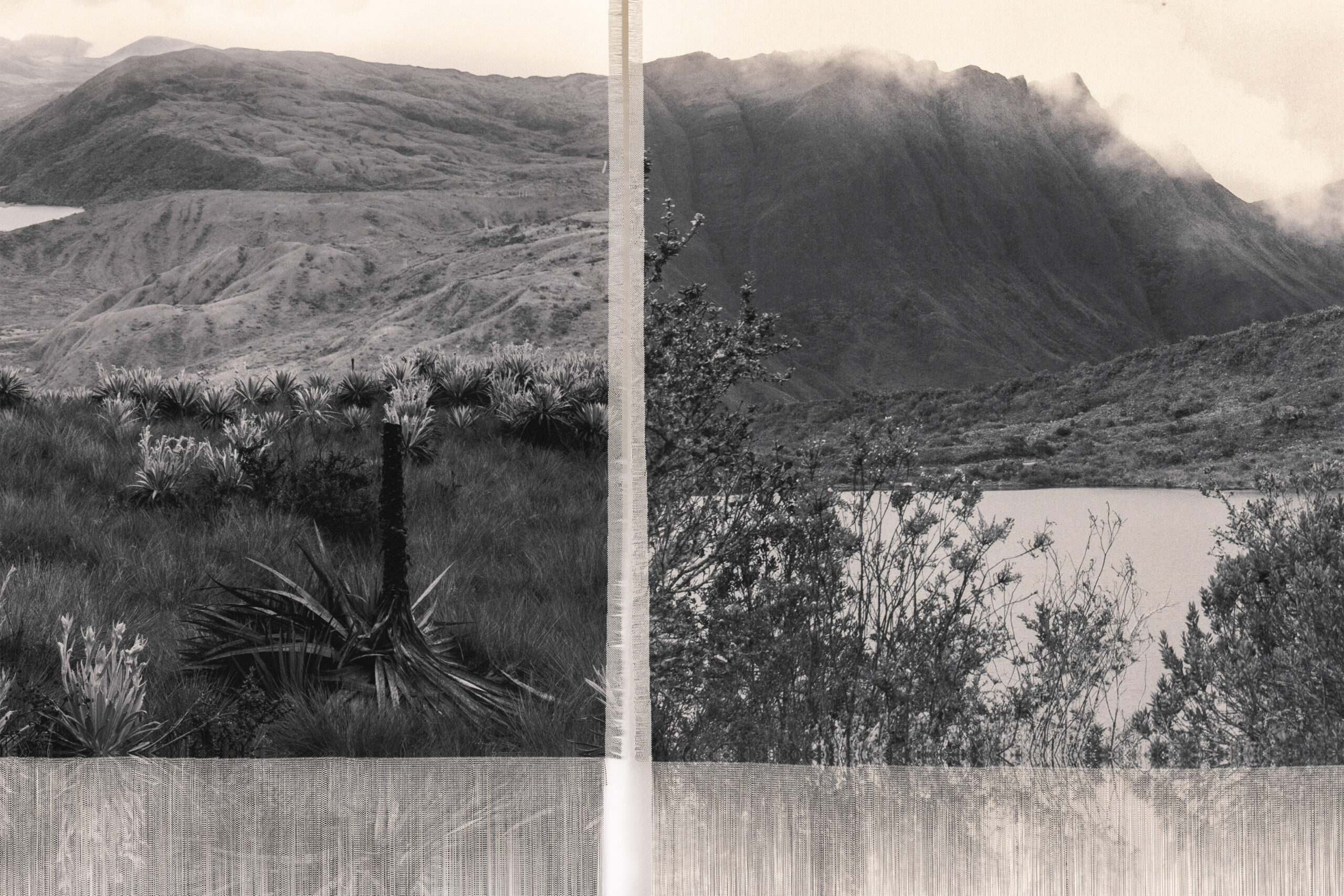
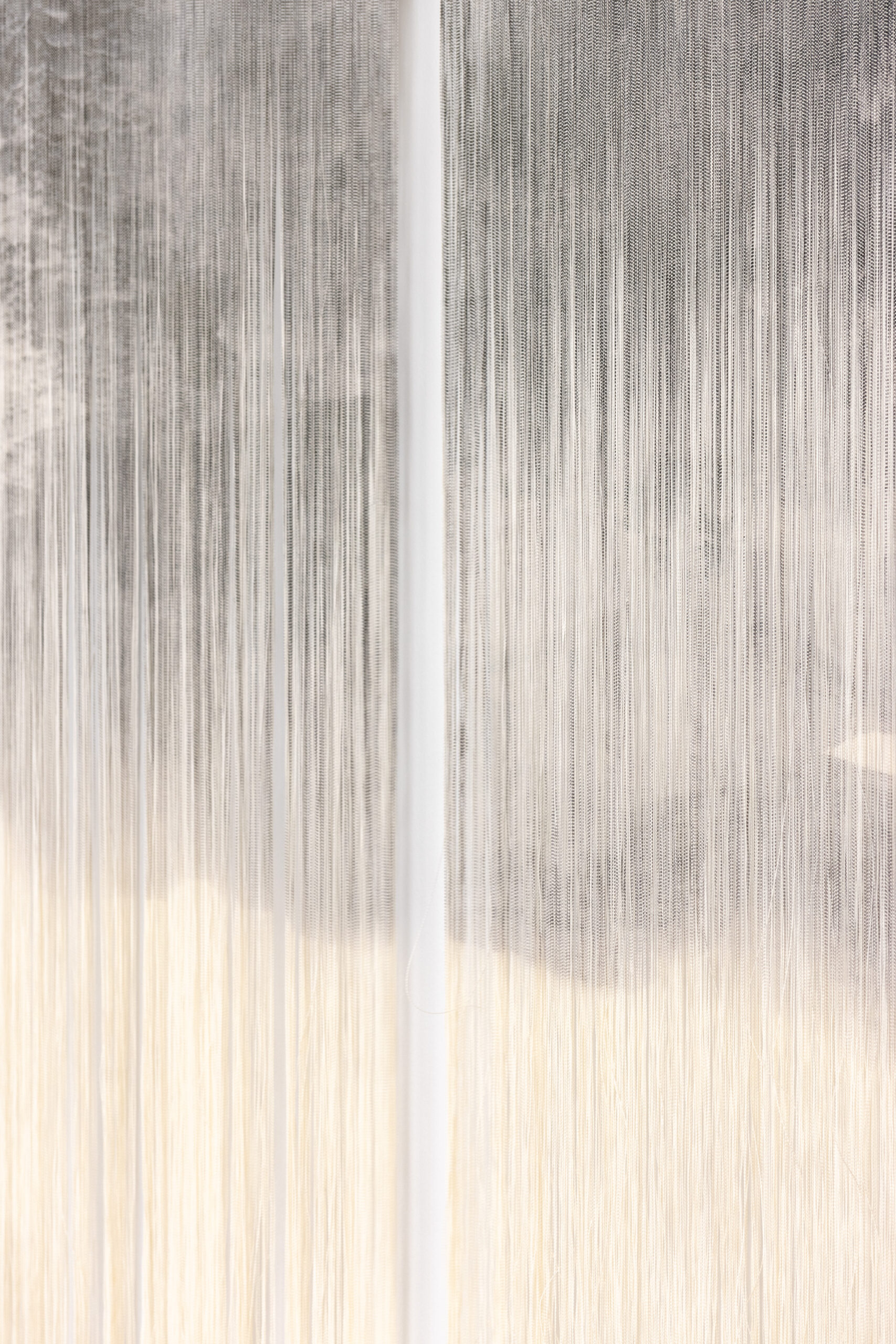
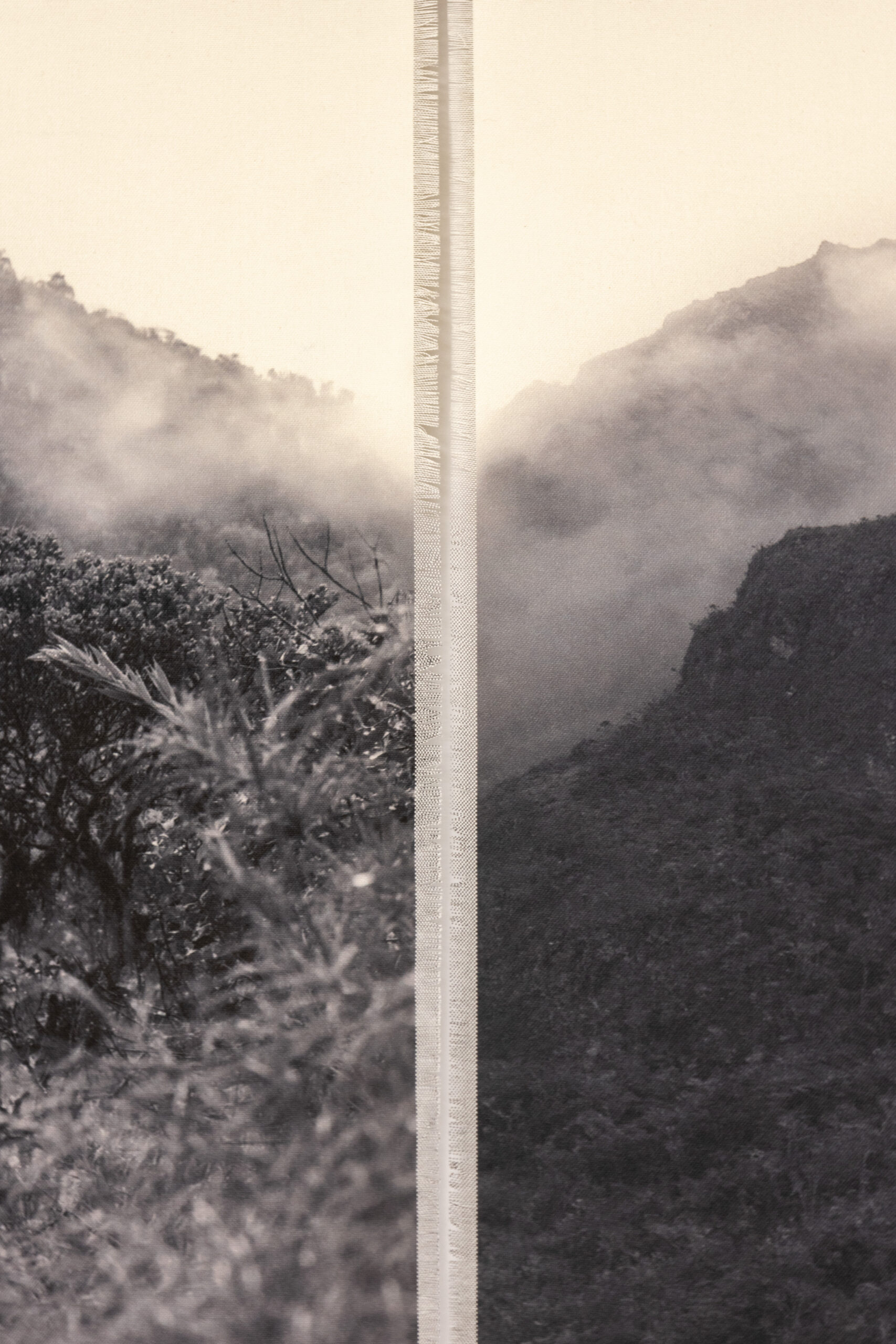
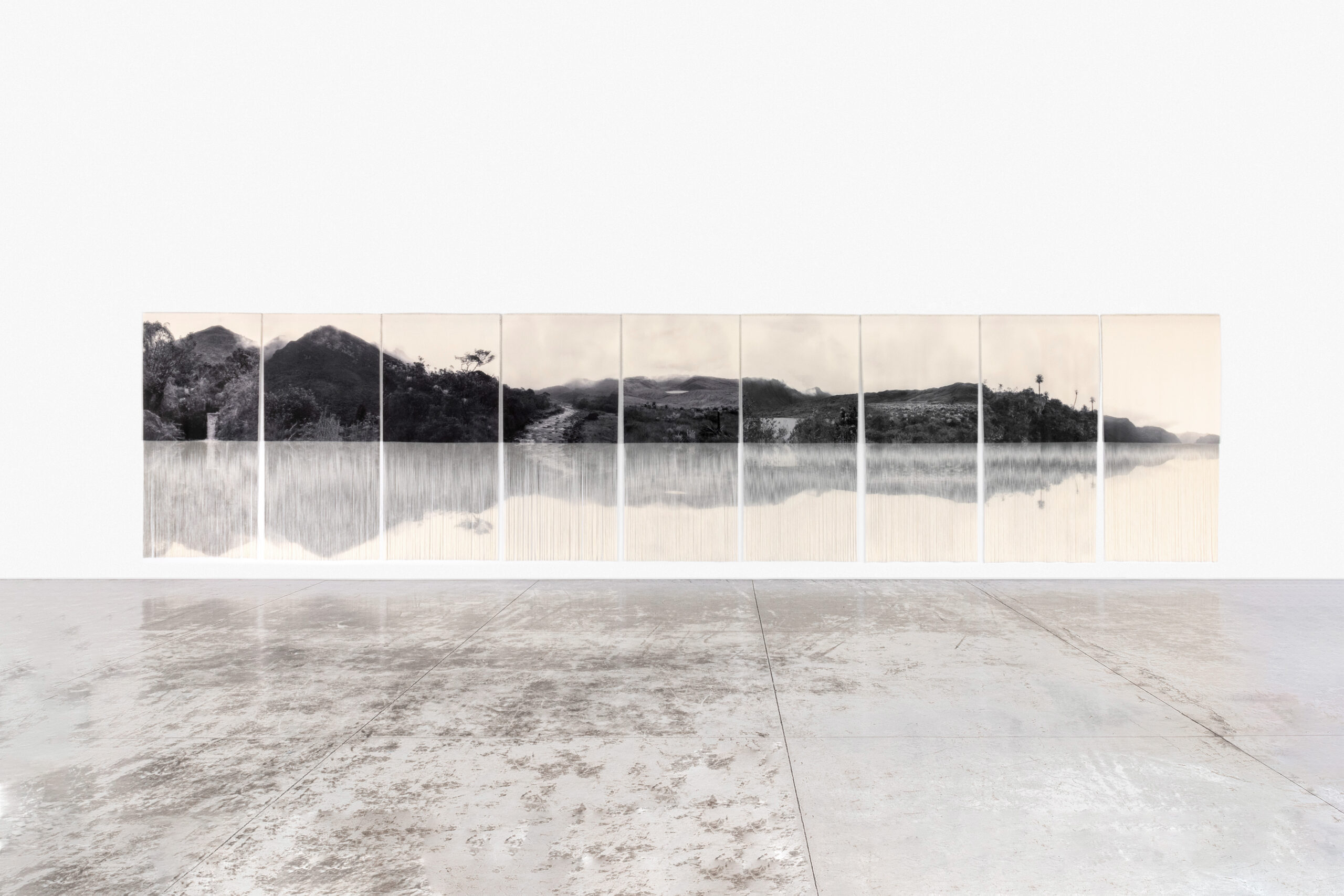
Llovizna
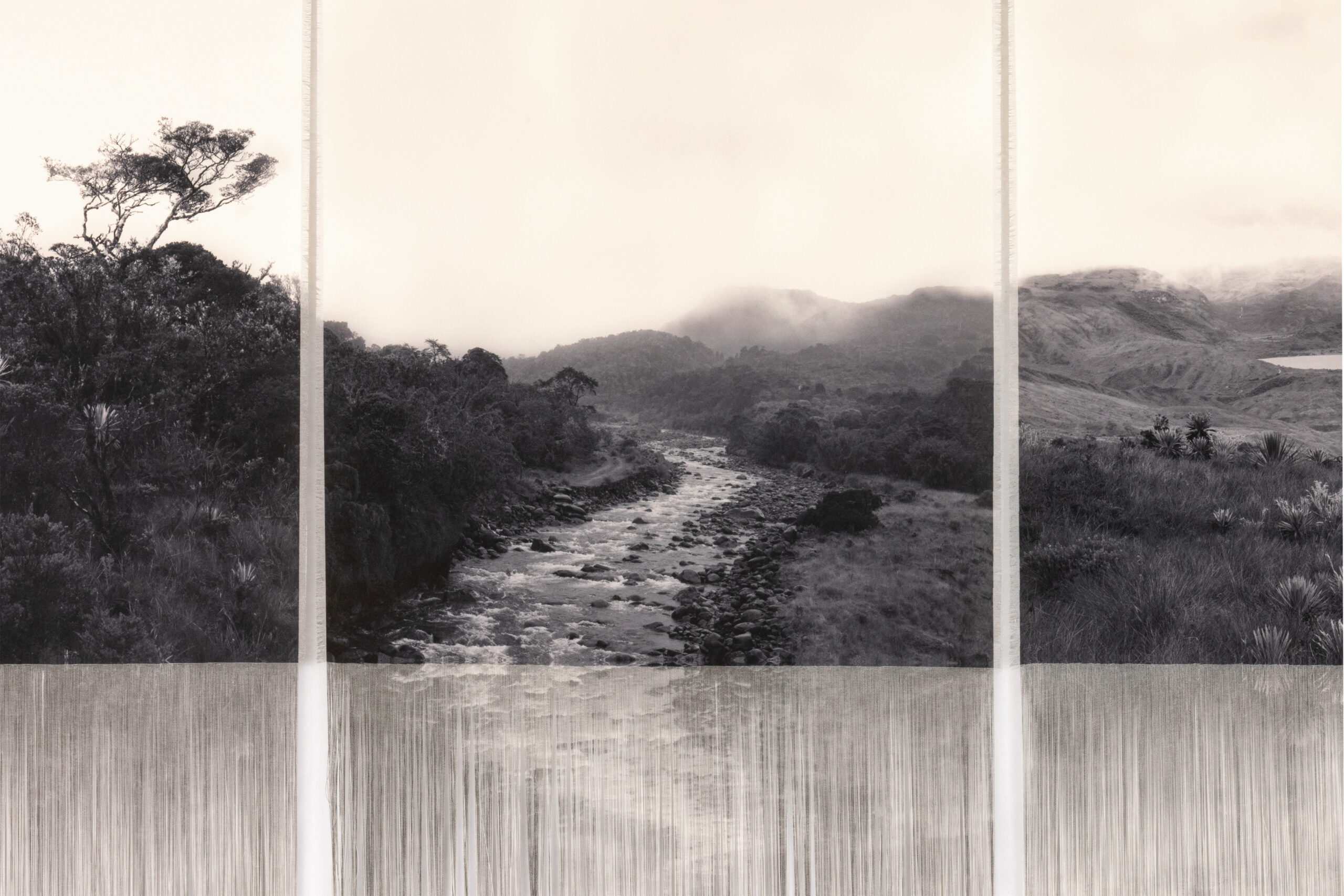
Born in land sacred to the Muisca, at eleven thousand feet in the Guacheneque Páramo, the Bogotá River descends into the savanna as a small mountain stream, clear and immaculate. Flowing through wetlands once teeming with birdlife—ecological formations that filter and purify like a natural sponge— the river merges with a network of watercourses, all of them also originating in páramos. It would be difficult to imagine a more auspicious beginning for a river, a genesis so innocent and pure.
Like a beautiful creature cut down before its prime, the river soon reaches and passes through a capital of more than eight million inhabitants, where nearly a third of the country’s economy is generated and where all tributaries lie buried beneath pavement or concrete, each more toxic than the last.
The Muisca perceived the earth as sacred, a vast and expansive temple, with certain forests and lakes consecrated to the divine in such a way that cutting down a tree or taking a drop of water was forbidden. Waterfalls and springs were seen as points of origin, liminal places, gateways to the divine. Water implied and embodied spiritual purity. Everything is in balance. Air becomes wind, wind condenses into clouds, rain falls from the clouds and runs over the land through rivers to the sea, from which it rises again carried by the wind.
Thus, from the perspective of the Mamos, for Colombia today to free itself from violence—to cleanse and liberate its soul—it must also restore life and purity to a suffering river that has given so much to the nation. In the words of Jaison Villafañe, “To cleanse ourselves we must cleanse the rivers; to cleanse the rivers, we must cleanse ourselves.”
Everywhere, people take water for granted, polluting our rivers and lakes, forgetting that fresh water is one of the rarest and most precious resources. If all the water on Earth could be stored in a one-gallon container, the amount actually available for drinking would barely fill a teaspoon.
In one of the follies of our time, we have forgotten the wisdom of our elders—men and women of all cultures who, throughout human history, recognized water as a gift from the divine.
Wade Davis
Anthropologist and ethnobotanist